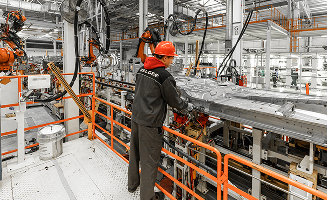
Computer Numerical Control (CNC) machines have transformed the manufacturing industry by delivering exceptional precision, consistency, and efficiency. From automotive components to aerospace parts, CNC machining plays a critical role in producing complex products with minimal errors and maximum accuracy.
Unlike conventional machining methods, CNC machines operate through computer-programmed instructions that control cutting, drilling, milling, and shaping processes. This automation enables manufacturers to produce high-quality components while reducing production time and material waste.
As industries continue to demand tighter tolerances and faster production cycles, CNC technology has become an essential part of modern precision manufacturing.
Improving Precision and Accuracy
One of the biggest advantages of CNC machines is their ability to manufacture components with exceptional precision. Computer-controlled operations eliminate many of the errors associated with manual machining.
Benefits include:
- High dimensional accuracy
- Consistent product quality
- Tight manufacturing tolerances
- Reduced human error
- Improved repeatability
This level of precision is essential for industries where even the smallest measurement can affect product performance.
Increasing Production Efficiency
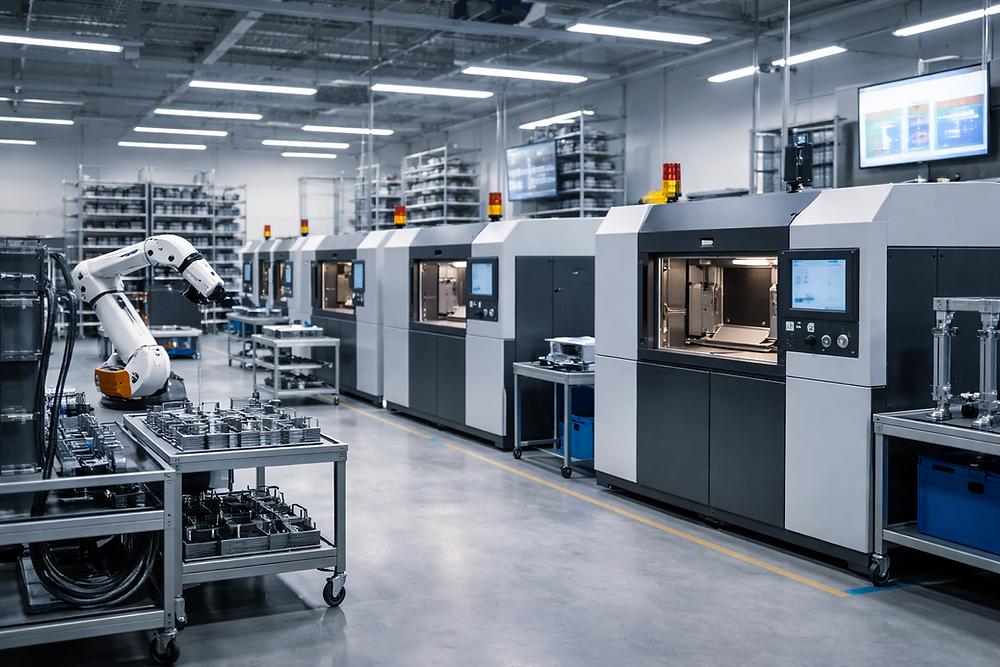
CNC machines operate continuously with minimal supervision, allowing manufacturers to increase productivity while reducing production time.
Modern CNC equipment can perform multiple operations such as:
- Milling
- Turning
- Drilling
- Grinding
- Cutting
- Engraving
Automation reduces setup time and enables faster production of both small and large manufacturing batches.
Reducing Material Waste
Efficient machining not only saves time but also minimizes material waste. CNC software optimizes cutting paths to maximize material usage and reduce unnecessary scrap.
Manufacturers benefit through:
- Lower raw material costs
- Reduced production waste
- Improved resource utilization
- Better environmental sustainability
- Higher production profitability
Efficient material management contributes to both cost savings and sustainable manufacturing practices.
Supporting Complex Product Designs
Today’s manufacturing industries require components with intricate shapes and complex geometries. CNC machines can produce these designs with remarkable consistency.
Applications include:
- Automotive engine parts
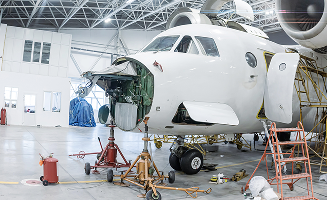
- Aerospace components
- Medical devices
- Industrial machinery
- Consumer electronics
- Precision tools
Advanced multi-axis CNC machines can create detailed components that would be difficult or impossible using traditional machining methods.
Enhancing Workplace Safety
Manual machining often exposes operators to rotating tools, heavy materials, and repetitive tasks. CNC automation improves workplace safety by reducing direct human interaction with cutting equipment.
Safety advantages include:
- Automated machining operations
- Reduced operator fatigue
- Lower accident risks
- Improved machine monitoring
- Safer handling of hazardous materials
Employees can focus on programming, inspection, and quality control rather than manual machining.
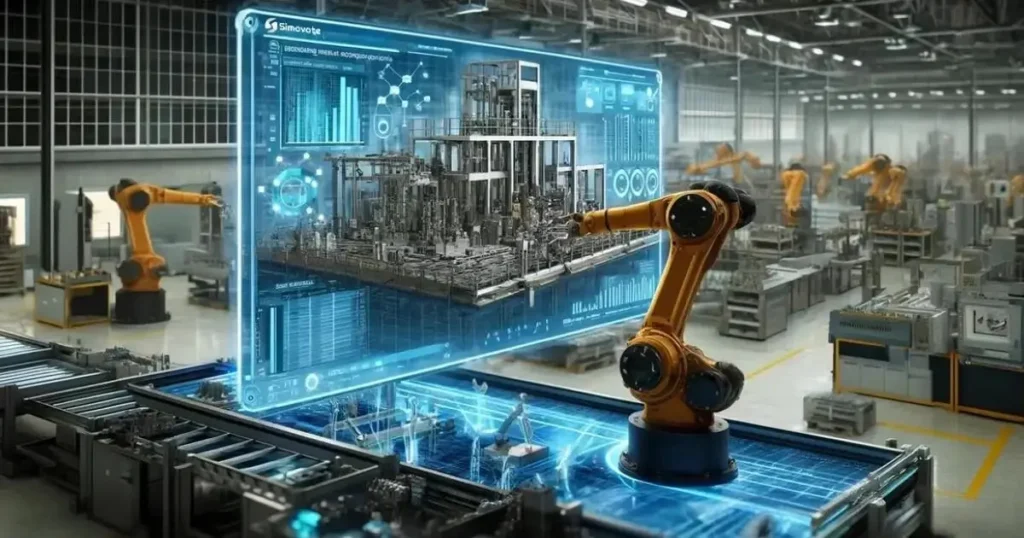
Integration with Smart Manufacturing
Modern CNC machines are increasingly integrated with Industry 4.0 technologies such as Industrial IoT, Artificial Intelligence, and cloud-based monitoring systems.
These smart capabilities allow manufacturers to:
- Monitor machine performance in real time
- Schedule predictive maintenance
- Track production data
- Improve process efficiency
- Reduce machine downtime
Connected CNC systems help manufacturers build intelligent and highly efficient production environments.
Industries That Depend on CNC Technology
CNC machining has become a fundamental manufacturing process across many industries, including:
- Automotive Manufacturing
- Aerospace & Defense
- Medical Equipment
- Electronics Manufacturing
- Industrial Machinery
Each industry relies on CNC technology to produce reliable, high-quality components that meet strict performance standards.
Conclusion
CNC machines have revolutionized precision manufacturing by providing unmatched accuracy, efficiency, and reliability. Their ability to produce complex components with consistent quality makes them indispensable across a wide range of industries.
By integrating CNC technology with smart manufacturing solutions, businesses can increase productivity, reduce waste, improve safety, and remain competitive in today’s rapidly evolving industrial landscape.
Investing in CNC machining is more than upgrading equipment—it is a strategic step toward building a smarter, more efficient, and future-ready manufacturing operation.