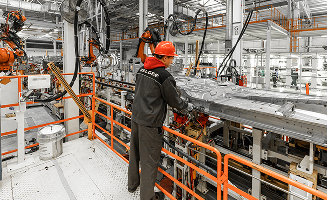
As industries face increasing pressure to reduce operating costs and meet environmental regulations, energy-efficient manufacturing has become a key priority. By optimizing energy consumption and adopting sustainable production practices, manufacturers can lower expenses while minimizing their environmental impact.
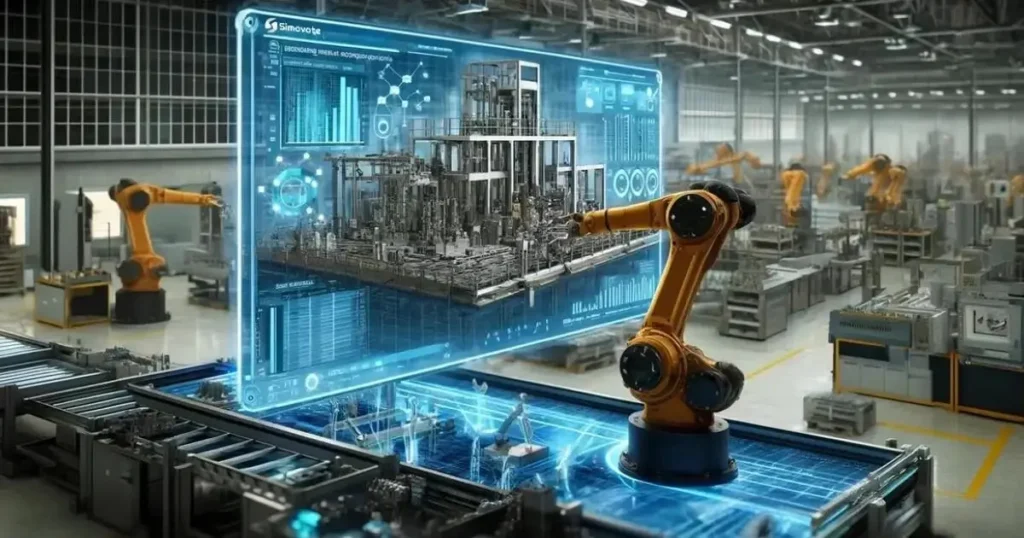
Modern factories are integrating advanced technologies such as smart sensors, energy management systems, renewable energy, and automated equipment to improve efficiency across every stage of production. These innovations not only reduce electricity consumption but also help businesses achieve long-term sustainability goals.
Organizations that invest in energy-efficient manufacturing are better positioned to improve profitability, reduce carbon emissions, and remain competitive in an increasingly eco-conscious global market.
Optimizing Energy Consumption
Energy efficiency begins with understanding how power is used throughout the manufacturing process. Modern monitoring systems provide real-time insights into electricity usage, helping manufacturers identify waste and improve operational performance.
Key strategies include:
- Monitoring energy usage in real time
- Installing energy-efficient machinery
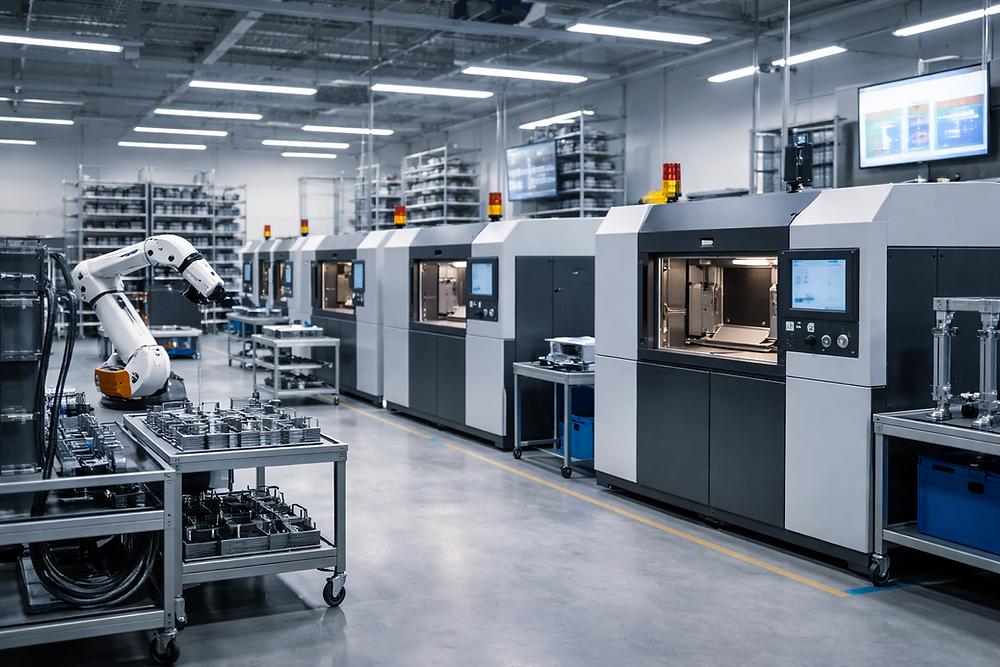
- Automating production equipment
- Reducing idle machine operation
- Optimizing production schedules
These improvements help manufacturers lower utility bills while maintaining high production output.
Integrating Renewable Energy
Many manufacturers are adopting renewable energy sources to reduce dependence on traditional electricity and lower greenhouse gas emissions.
Common renewable energy solutions include:
- Solar panel installations
- Wind energy systems
- Biomass energy
- Hydroelectric power
- Battery energy storage systems
Using clean energy helps businesses reduce operating costs while supporting environmental sustainability initiatives.
Upgrading to Energy-Efficient Equipment
Replacing outdated machinery with modern, energy-efficient equipment significantly improves manufacturing performance.
Benefits include:
- Lower electricity consumption
- Reduced maintenance costs
- Higher production efficiency
- Longer equipment lifespan
- Improved operational reliability
Energy-efficient motors, compressors, lighting systems, and HVAC equipment contribute to substantial long-term savings.
Reducing Waste Through Lean Manufacturing
Lean manufacturing principles help eliminate unnecessary resource consumption while improving production efficiency.
Manufacturers can reduce waste by:
- Minimizing material scrap
- Optimizing production workflows
- Recycling manufacturing materials
- Reducing unnecessary transportation
- Improving inventory management
These practices lower production costs while conserving valuable resources.
Smart Energy Management Systems
Digital energy management platforms provide manufacturers with complete visibility into energy usage across facilities.
These systems enable businesses to:
- Monitor equipment performance
- Detect energy inefficiencies
- Analyze historical energy data
- Generate energy consumption reports
- Identify opportunities for cost reduction
Real-time monitoring supports faster decision-making and continuous operational improvement.
Environmental and Business Benefits
Energy-efficient manufacturing delivers advantages beyond cost savings.
Major benefits include:
- Lower carbon emissions
- Reduced operating expenses
- Improved regulatory compliance
- Enhanced corporate sustainability
- Better brand reputation
- Increased competitiveness
Customers and investors increasingly value organizations that demonstrate environmental responsibility.
Industries Adopting Energy-Efficient Manufacturing
Energy-efficient technologies are widely used across various sectors, including:
- Automotive Manufacturing
- Electronics Manufacturing
- Food & Beverage Processing
- Pharmaceutical Production
- Aerospace & Defense
- Chemical Manufacturing
- Metal Fabrication
- Consumer Goods Manufacturing
These industries are reducing energy consumption while improving production efficiency and product quality.
The Future of Sustainable Manufacturing
The future of manufacturing will rely on intelligent energy management powered by Artificial Intelligence (AI), Industrial Internet of Things (IIoT), and predictive analytics. Smart factories will automatically optimize energy usage, reduce waste, and integrate renewable energy sources into daily operations.
As governments introduce stricter environmental regulations and consumers demand sustainable products, energy-efficient manufacturing will become a standard practice rather than a competitive advantage.
Businesses that embrace sustainable manufacturing today will be better prepared for future economic, environmental, and technological challenges.
Conclusion
Energy-efficient manufacturing is transforming industrial operations by reducing energy consumption, lowering production costs, and minimizing environmental impact. Through smart technologies, renewable energy integration, and optimized production processes, manufacturers can achieve greater operational efficiency while supporting long-term sustainability goals.
Investing in energy-efficient manufacturing not only improves profitability but also strengthens environmental responsibility and ensures businesses remain competitive in the rapidly evolving industrial landscape.