Additive Manufacturing, commonly known as 3D Printing, is transforming the way products are designed, developed, and manufactured. Unlike traditional manufacturing methods that remove material through cutting or machining, additive manufacturing builds objects layer by layer using digital design files. This innovative approach enables manufacturers to produce complex components with greater precision, less waste, and shorter production times.
From rapid prototyping to full-scale production, 3D printing has become an essential technology across industries such as aerospace, automotive, healthcare, and consumer goods. As businesses continue to embrace digital transformation, additive manufacturing is reshaping industrial production by offering greater flexibility, cost efficiency, and design freedom.
Accelerating Product Development
One of the biggest advantages of additive manufacturing is its ability to significantly reduce product development time. Engineers can quickly transform digital designs into physical prototypes without the need for expensive tooling or molds.
Key benefits include:
- Faster prototyping
- Shorter product development cycles
- Rapid design validation
- Improved collaboration between design teams
- Faster time-to-market
This speed allows manufacturers to test, refine, and launch new products more efficiently.
Reducing Material Waste
Traditional machining often removes large amounts of raw material during production. In contrast, additive manufacturing uses only the material required to build each component, making it a more sustainable manufacturing process.
Manufacturers benefit from:
- Lower material consumption
- Reduced production waste
- Lower raw material costs
- Improved resource efficiency
- Environmentally friendly production
Efficient material usage supports both profitability and sustainability initiatives.
Enabling Complex Product Designs
Additive manufacturing provides unmatched design flexibility, allowing engineers to create intricate shapes that would be difficult or impossible with conventional manufacturing techniques.
Examples include:
- Lightweight structural components
- Internal cooling channels
- Customized medical implants
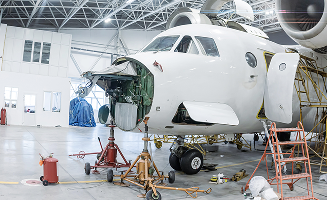
- Complex aerospace parts
- High-performance industrial tools
Greater design freedom encourages innovation while improving product functionality.
Supporting Mass Customization
Modern customers increasingly demand products tailored to their specific requirements. Additive manufacturing enables manufacturers to produce customized components without significantly increasing production costs.
Applications include:
- Personalized medical devices
- Custom automotive parts
- Consumer electronics
- Industrial equipment components
- Prototype development
- Low-volume production
This flexibility allows businesses to meet customer needs while maintaining efficient production processes.
Improving Manufacturing Efficiency
3D printing reduces the number of production steps required to manufacture complex components. Parts that traditionally required multiple assemblies can often be produced as a single piece.
Operational advantages include:
- Reduced assembly time
- Lower inventory requirements
- Simplified production workflows
- Improved manufacturing flexibility
- Reduced lead times
These improvements help manufacturers increase productivity while lowering operational costs.
Industries Benefiting from Additive Manufacturing
Additive manufacturing has become an important technology across numerous industries, including:
- Aerospace & Defense
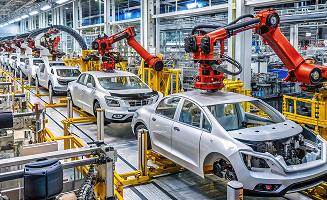
- Automotive Manufacturing
- Medical Devices
- Consumer Electronics
- Industrial Equipment
- Architecture & Construction
- Energy Sector
- Education & Research
Each industry leverages 3D printing to improve innovation, reduce production costs, and enhance product performance.
The Future of Additive Manufacturing
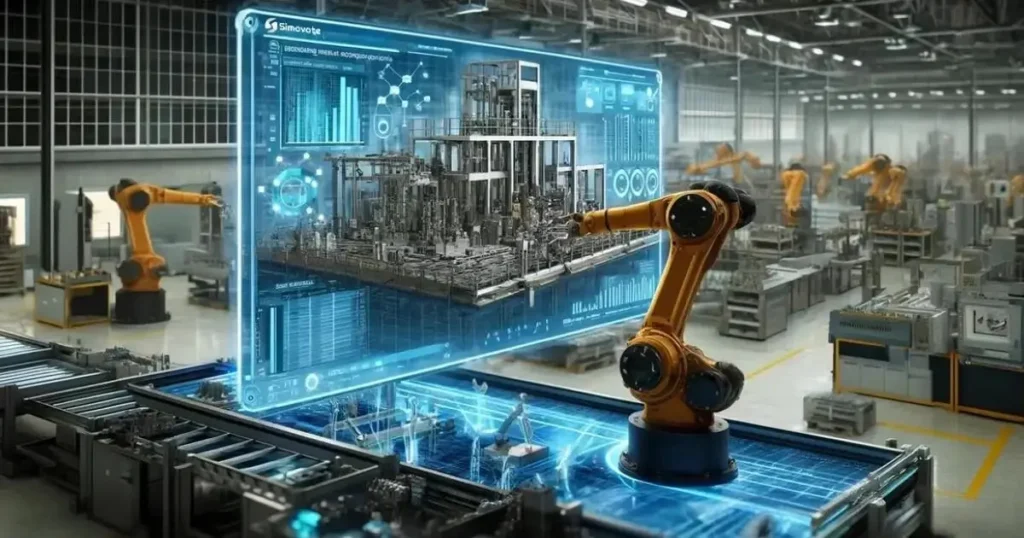
The future of additive manufacturing is driven by advancements in materials science, artificial intelligence, and industrial automation. Next-generation 3D printers will offer faster production speeds, higher precision, and the ability to print with advanced metals, composites, ceramics, and sustainable materials.
As Industry 4.0 continues to evolve, additive manufacturing will become increasingly integrated with robotics, cloud computing, and digital twin technology. These innovations will enable manufacturers to produce highly customized products with greater efficiency while reducing waste and environmental impact.
Organizations investing in additive manufacturing today will be well-positioned to lead the future of smart and sustainable industrial production.
Conclusion
Additive manufacturing is reshaping industrial production by offering faster product development, greater design flexibility, reduced material waste, and improved manufacturing efficiency. Its ability to create complex components while supporting customization and sustainability makes it one of the most important technologies in modern manufacturing.
As industries continue to adopt digital manufacturing practices, 3D printing will play a central role in driving innovation, increasing productivity, and helping businesses remain competitive in an ever-changing global market.