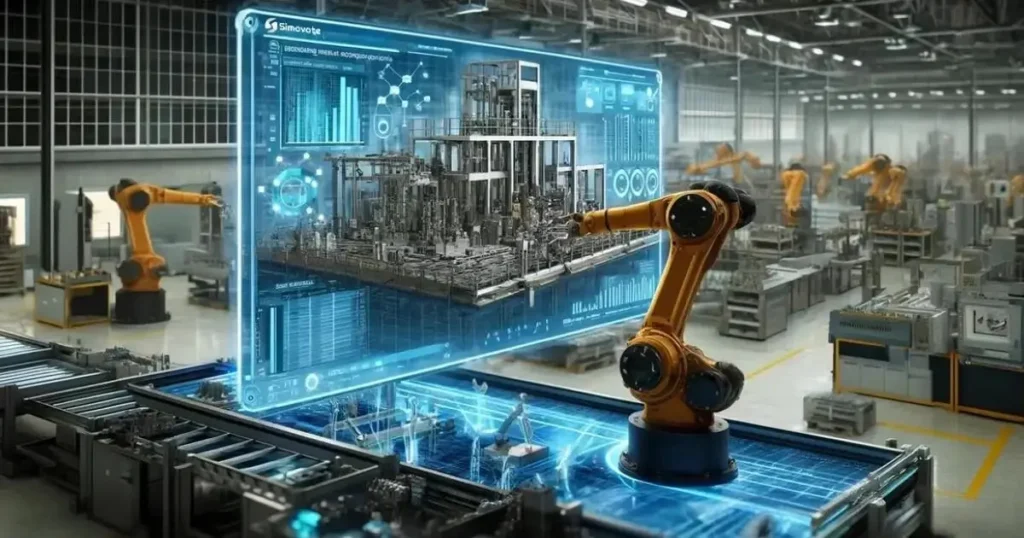
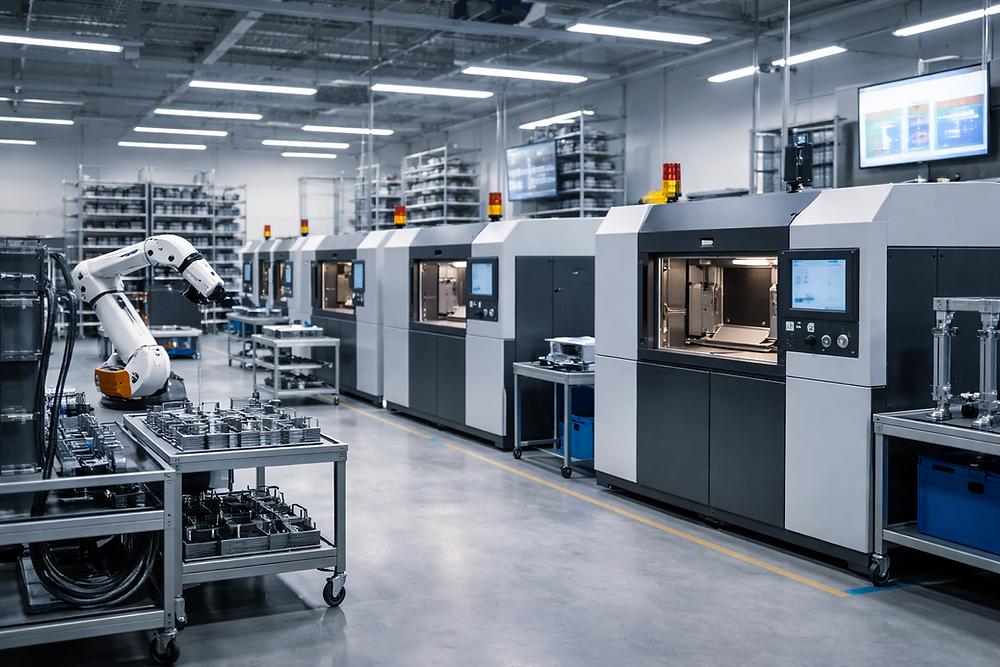
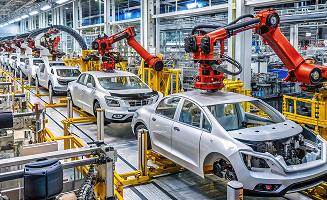
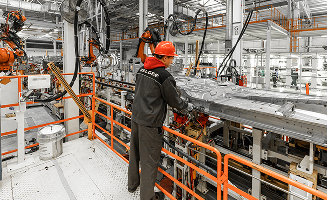
As manufacturing facilities become increasingly connected through the Industrial Internet of Things (IIoT), cloud computing, robotics, and automation, cybersecurity has become a critical priority. Smart factories rely on interconnected machines, sensors, and digital systems to improve efficiency, but these connected technologies also introduce new cybersecurity risks.
Cyberattacks targeting manufacturing companies can disrupt production, compromise sensitive business data, damage equipment, and result in significant financial losses. Protecting digital infrastructure is no longer just an IT responsibility—it is an essential part of modern manufacturing operations.
By implementing strong cybersecurity practices, manufacturers can safeguard their connected factories, maintain business continuity, and build trust with customers and partners.
Understanding Cybersecurity Risks
Modern manufacturing environments connect production equipment, enterprise software, and cloud platforms through digital networks. While this connectivity improves efficiency, it also increases exposure to cyber threats.
Common cybersecurity risks include:
- Malware attacks
- Ransomware infections
- Data breaches
- Phishing attacks
- Insider threats
- Unauthorized network access
Identifying these risks is the first step toward building a secure manufacturing environment.
Protecting Industrial Control Systems
Industrial Control Systems (ICS) and Supervisory Control and Data Acquisition (SCADA) systems manage critical manufacturing operations. If compromised, these systems can cause production downtime and equipment failures.
Manufacturers should protect these systems by:
- Restricting unauthorized access
- Updating software regularly
- Segmenting industrial networks
- Monitoring system activity
- Conducting routine security assessments
Securing control systems helps maintain safe and reliable manufacturing operations.
Securing Connected Devices
Smart factories use thousands of connected devices, including sensors, robots, programmable logic controllers (PLCs), and Industrial IoT devices. Every connected device represents a potential entry point for cybercriminals.
Best practices include:
- Changing default passwords
- Enabling multi-factor authentication
- Encrypting communications
- Keeping firmware updated
- Disabling unused network services
Regular maintenance of connected devices significantly reduces cybersecurity vulnerabilities.
Employee Awareness and Cybersecurity Training
Technology alone cannot prevent every cyberattack. Employees play a vital role in protecting manufacturing systems by recognizing security threats and following safe digital practices.
Training programs should cover:
- Identifying phishing emails
- Creating strong passwords
- Safe internet usage
- Data protection procedures
- Incident reporting protocols
- Secure handling of removable devices
A well-trained workforce strengthens an organization’s overall cybersecurity posture.
Real-Time Monitoring and Threat Detection
Modern cybersecurity solutions continuously monitor network activity to detect unusual behavior before it impacts production.
Advanced monitoring systems provide:
- Real-time threat detection
- Automated security alerts
- Network traffic analysis
- Intrusion detection
- Security event logging
- Incident response support
Continuous monitoring enables manufacturers to respond quickly and minimize operational disruptions.
Benefits of Strong Cybersecurity
Investing in cybersecurity provides significant operational and business advantages.
Key benefits include:
- Reduced production downtime
- Protection of sensitive business data
- Improved operational reliability
- Enhanced customer trust
- Regulatory compliance
- Lower financial risk
A secure manufacturing environment supports long-term business growth and resilience.
Industries That Require Manufacturing Cybersecurity
Cybersecurity is essential across many industrial sectors, including:
- Automotive Manufacturing
- Aerospace & Defense
- Electronics Manufacturing
- Pharmaceutical Production
- Food & Beverage Processing
- Energy & Utilities
- Chemical Manufacturing
- Medical Device Manufacturing
Each of these industries relies on secure digital systems to maintain productivity and protect valuable assets.
The Future of Cybersecurity in Manufacturing
As smart factories continue to adopt Artificial Intelligence (AI), Industrial IoT, cloud computing, and edge technologies, cybersecurity strategies will become even more advanced. AI-powered threat detection, zero-trust security models, and predictive security analytics will help manufacturers identify vulnerabilities before attacks occur.
Future manufacturing environments will combine intelligent automation with robust cybersecurity frameworks, ensuring connected factories remain secure, efficient, and resilient against evolving cyber threats.
Conclusion
Cybersecurity has become a fundamental requirement for modern smart manufacturing. As factories become increasingly connected, protecting digital infrastructure, production equipment, and sensitive information is essential for maintaining operational continuity and business success.
By implementing strong security practices, training employees, monitoring networks continuously, and investing in advanced cybersecurity technologies, manufacturers can reduce risks, safeguard operations, and confidently embrace the future of Industry 4.0.