Top 10 Healthy Snacks You Can Make in 10 Minutes
17, Jul. 2026Innovation isn’t just about flashy new technology—it’s about solving real problems in smarter, faster ways....
Quality control is a critical component of modern manufacturing that ensures products consistently meet customer expectations and industry standards. By implementing effective quality control processes, manufacturers can identify defects early, reduce production waste, and improve operational efficiency.
In today’s competitive manufacturing environment, businesses cannot afford costly production errors or inconsistent product quality. Modern quality control combines advanced inspection technologies, automated testing systems, and real-time data analysis to maintain high standards throughout the production process.
Companies that prioritize quality control not only improve customer satisfaction but also reduce costs, increase productivity, and strengthen their reputation in the marketplace.

One of the primary goals of quality control is to identify defects before products reach customers. Regular inspections and testing help manufacturers detect issues early, preventing costly rework and product recalls.
Key benefits include:
By minimizing defects, manufacturers can maintain a smooth production process and reduce unnecessary costs.
Quality control systems help manufacturers identify process inefficiencies and optimize production workflows. Continuous monitoring ensures that production lines operate efficiently while maintaining consistent product quality.
Manufacturers can improve efficiency by:
Efficient production processes increase output while reducing operational expenses.
Modern manufacturing facilities use advanced technologies to improve inspection accuracy and speed. Automated inspection systems reduce manual errors and provide real-time feedback throughout production.
Common technologies include:
These technologies ensure products consistently meet strict quality standards.
Poor quality can lead to material waste, production delays, warranty claims, and customer dissatisfaction. Implementing strong quality control measures helps manufacturers reduce these unnecessary expenses.
Cost-saving benefits include:
Quality control is an investment that delivers long-term financial benefits.
Quality control plays a vital role in improving production efficiency by reducing defects, optimizing manufacturing processes, and ensuring consistent product quality. Through advanced inspection technologies, real-time monitoring, and continuous process improvement, manufacturers can reduce operational costs while delivering reliable products that meet customer expectations.
Businesses that invest in effective quality control systems are better equipped to improve productivity, strengthen customer confidence, and remain competitive in today’s rapidly changing manufacturing industry.
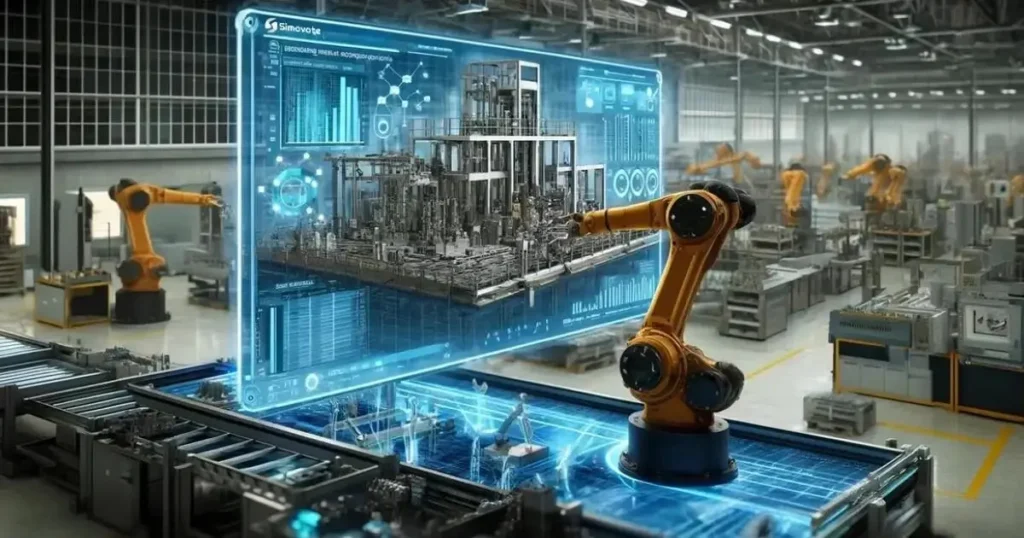
Innovation isn’t just about flashy new technology—it’s about solving real problems in smarter, faster ways....
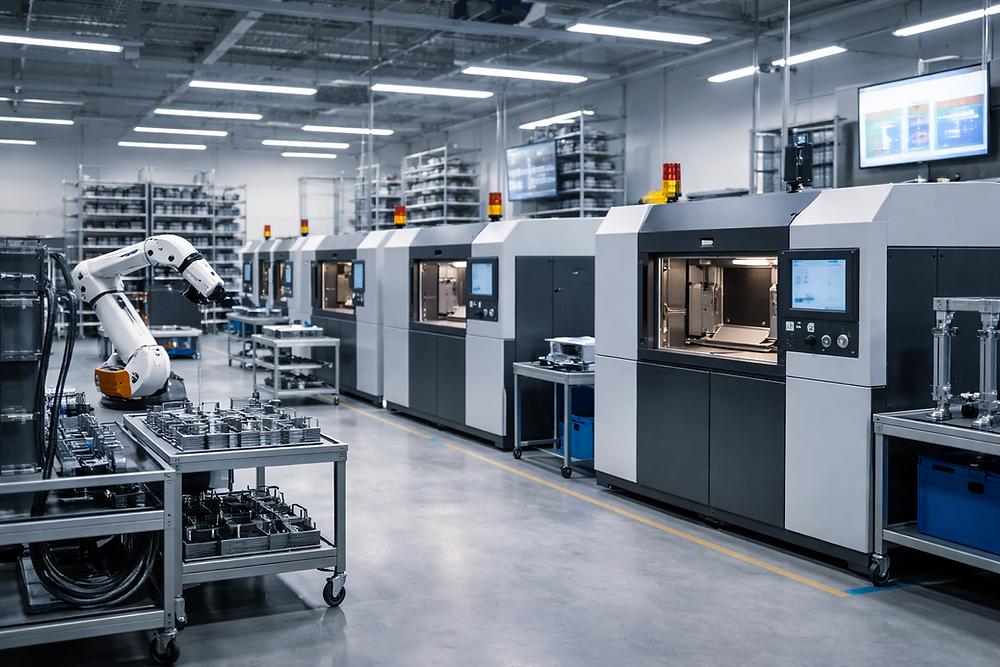
Additive Manufacturing, commonly known as 3D Printing, is transforming the way products are designed, developed,...

As manufacturing facilities become increasingly connected through the Industrial Internet of Things (IIoT), cloud computing,...
As industries face increasing pressure to reduce operating costs and meet environmental regulations, energy-efficient manufacturing...
Computer Numerical Control (CNC) machines have transformed the manufacturing industry by delivering exceptional precision, consistency,...

As global supply chains become more complex and customer expectations continue to rise, businesses are...