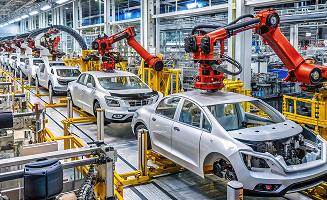
Sustainable manufacturing is transforming the industrial sector by encouraging businesses to produce goods in ways that minimize environmental impact while maintaining operational efficiency. As global demand for environmentally responsible practices continues to grow, manufacturers are adopting cleaner technologies, reducing waste, and improving resource efficiency to create a more sustainable future.
Modern manufacturing facilities are investing in renewable energy, smart production systems, energy-efficient machinery, and recycling initiatives to lower carbon emissions and reduce operating costs. Sustainability is no longer just an environmental responsibility—it has become a strategic business advantage that improves productivity, strengthens brand reputation, and supports long-term growth.
Companies that embrace sustainable manufacturing are better prepared to meet regulatory requirements, satisfy customer expectations, and remain competitive in an increasingly eco-conscious marketplace.
Reducing Energy Consumption
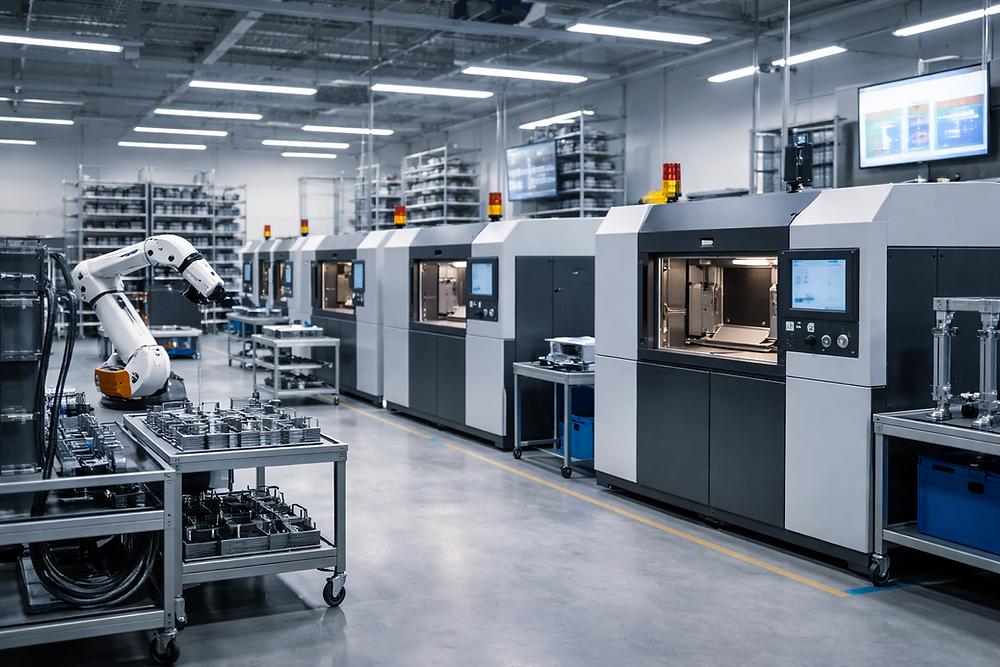
One of the primary goals of sustainable manufacturing is to reduce energy usage across production facilities. Manufacturers are replacing outdated equipment with energy-efficient machinery and implementing intelligent energy management systems to optimize power consumption.
Key strategies include:
- Installing energy-efficient production equipment
- Using LED lighting throughout facilities
- Monitoring energy usage in real time
- Optimizing machine operating schedules
- Reducing idle equipment time
Lower energy consumption reduces operational expenses while supporting environmental sustainability.
Minimizing Waste and Recycling Materials
Reducing manufacturing waste is essential for improving sustainability and maximizing resource utilization. Modern production facilities are adopting recycling programs and lean manufacturing principles to minimize unnecessary material loss.
Manufacturers can reduce waste by:
- Recycling production materials
- Reusing manufacturing by-products
- Optimizing raw material usage
- Reducing packaging waste
- Improving inventory management
Efficient waste management helps lower production costs while protecting natural resources.
Improving Water Conservation
Water is a valuable resource in many manufacturing processes. Sustainable manufacturers are implementing water-saving technologies to reduce consumption and improve efficiency.
Effective water conservation practices include:
- Recycling process water
- Installing efficient cooling systems
- Detecting and repairing leaks
- Using water-efficient equipment
- Treating wastewater before discharge
These initiatives help protect local water resources while lowering operational costs.
Building a Sustainable Supply Chain
Sustainability extends beyond the factory floor. Manufacturers are working closely with suppliers and logistics partners to create environmentally responsible supply chains.
Key initiatives include:
- Sourcing sustainable raw materials
- Reducing transportation emissions
- Choosing eco-friendly packaging
- Supporting local suppliers
- Improving supply chain transparency
A sustainable supply chain strengthens environmental performance and enhances customer trust.
Leveraging Smart Manufacturing Technologies
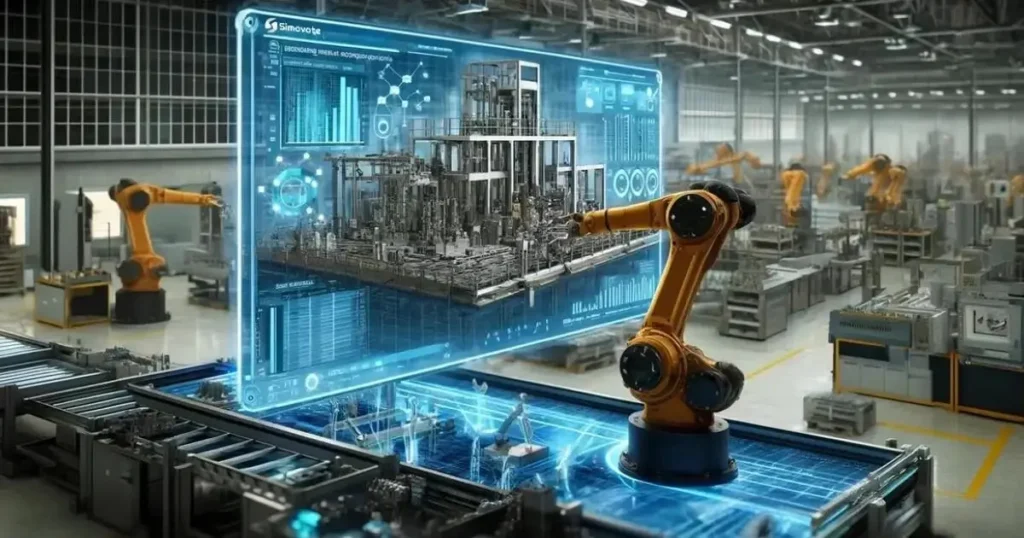
Industry 4.0 technologies play a significant role in improving sustainability by helping manufacturers optimize production and reduce resource consumption.
Smart technologies include:
- Artificial Intelligence (AI)
- Industrial Internet of Things (IIoT)
- Smart energy monitoring
- Predictive maintenance
- Automated production systems
- Data analytics
These technologies enable manufacturers to monitor performance, reduce waste, and continuously improve operational efficiency.
Benefits of Sustainable Manufacturing
Adopting sustainable manufacturing practices provides both environmental and business advantages.
Major benefits include:
- Lower operating costs
- Reduced carbon footprint
- Improved resource efficiency
- Enhanced brand reputation
- Better regulatory compliance
- Increased customer confidence
- Long-term business sustainability
Organizations that invest in sustainability often achieve stronger financial performance while contributing to environmental protection.
The Future of Sustainable Manufacturing
As environmental regulations become stricter and consumers increasingly prefer eco-friendly products, sustainable manufacturing will continue to evolve. Future factories will rely on intelligent automation, renewable energy, circular economy principles, and advanced recycling technologies to achieve near-zero waste production.
Manufacturers that invest in sustainable practices today will be better positioned to reduce costs, improve operational efficiency, and build resilient businesses capable of meeting future environmental and economic challenges.
Conclusion
Sustainable manufacturing is building a greener future by combining environmental responsibility with operational excellence. Through energy efficiency, renewable energy, waste reduction, water conservation, and smart manufacturing technologies, businesses can reduce their environmental impact while improving productivity and profitability.
As the manufacturing industry continues its digital transformation, sustainability will remain a key driver of innovation and long-term success. Companies that embrace sustainable manufacturing today will not only protect the environment but also create stronger, more competitive businesses for the future.