Discover how automation is revolutionizing modern manufacturing by improving productivity, reducing costs, enhancing product quality, and increasing workplace safety.
Automation has become one of the most significant drivers of innovation in the manufacturing industry. As businesses strive to improve productivity, reduce operational costs, and meet growing customer demands, automated technologies are reshaping the way products are designed, produced, and delivered.
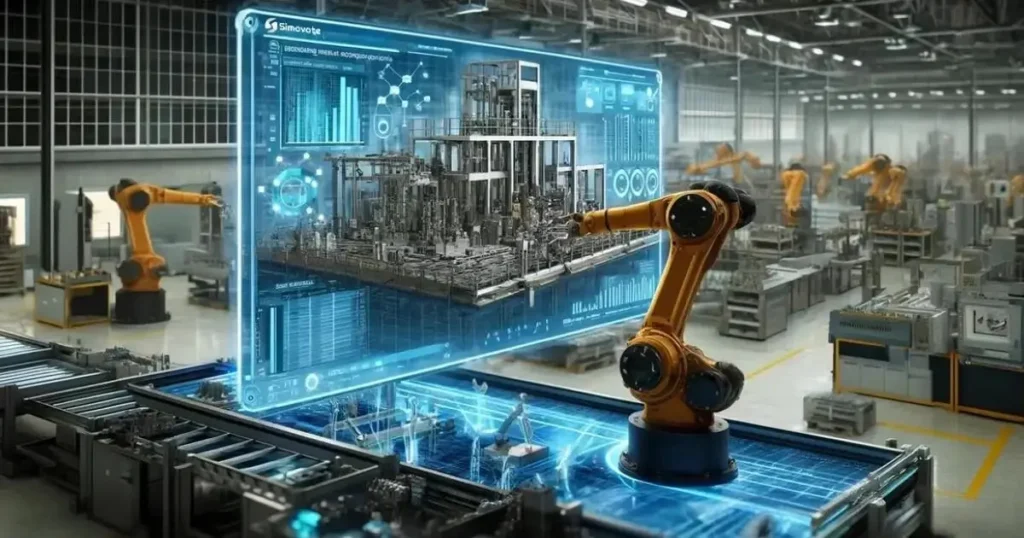
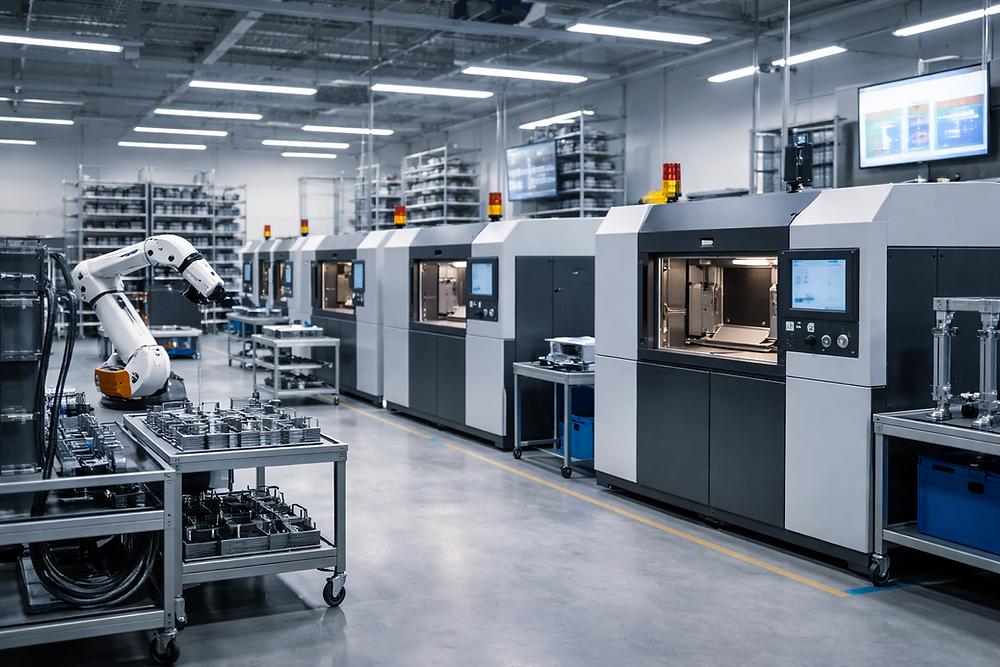
Modern manufacturing facilities are no longer dependent solely on manual labor. Instead, they integrate robotics, artificial intelligence (AI), Industrial Internet of Things (IIoT), programmable logic controllers (PLCs), and advanced software systems to streamline production processes. These technologies enable manufacturers to increase efficiency, maintain consistent product quality, and respond quickly to changing market demands.
Organizations investing in automation are building smarter factories that deliver faster production, improved safety, and greater operational flexibility while remaining competitive in today’s rapidly evolving industrial landscape.
Increasing Production Efficiency
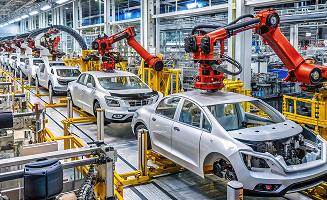
Automation allows manufacturers to perform repetitive and time-consuming tasks with greater speed and accuracy than traditional manual processes. Automated systems operate continuously with minimal interruptions, helping businesses maximize production output.
Common automated manufacturing processes include:
- Robotic assembly
- Material handling
- CNC machining
- Welding and fabrication
- Automated packaging
- Product inspection
- Conveyor-based production systems
By reducing manual intervention, manufacturers can shorten production cycles while maintaining consistent quality.
Improving Product Quality
Maintaining high-quality standards is essential in competitive manufacturing industries. Automated systems use precision controls, machine vision, and intelligent sensors to ensure every product meets predefined quality specifications.
Benefits include:
- Consistent manufacturing accuracy
- Reduced product defects
- Automated quality inspections
- Improved process control
- Better customer satisfaction
Automation minimizes human error and ensures products are manufactured to exact specifications every time.
Enhancing Workplace Safety
Manufacturing environments often involve heavy machinery, hazardous materials, and repetitive tasks that can pose safety risks to employees. Automation improves workplace safety by assigning dangerous or physically demanding operations to machines and robotic systems.
Examples include:
- Heavy lifting
- High-temperature welding
- Chemical handling
- High-speed machining
- Material transportation
- Hazardous production environments
This allows employees to focus on monitoring, maintenance, and quality assurance while reducing workplace injuries.
Reducing Operational Costs
Although implementing automation requires an initial investment, the long-term financial benefits are significant. Automated production systems improve efficiency while lowering overall operating expenses.
Key cost-saving advantages include:
- Reduced labor costs
- Lower production downtime
- Less material waste
These savings help manufacturers remain competitive while increasing profitability.
Enabling Smart Manufacturing
Automation is a core component of Industry 4.0 and smart manufacturing. Connected machines communicate through Industrial Internet of Things (IIoT) networks, allowing manufacturers to monitor production performance in real time.
Smart automation technologies include:
- Artificial Intelligence (AI)
- Machine Learning
- Industrial IoT
- Cloud Computing
- Predictive Maintenance
Together, these technologies create intelligent production environments capable of making data-driven decisions.
Increasing Manufacturing Flexibility
Today’s manufacturing industry must respond quickly to changing customer demands and shorter product life cycles. Automated systems provide the flexibility needed to switch between production runs with minimal downtime.
Manufacturers benefit from:
- Faster product changeovers
- Custom manufacturing capabilities
- Scalable production
- Improved production planning
- Greater responsiveness to market demand
Automation enables businesses to produce a wider variety of products without sacrificing efficiency.
Industries Benefiting from Automation
Automation has become an essential part of manufacturing across numerous industries, including:
- Automotive Manufacturing
- Aerospace & Defense
- Electronics Manufacturing
- Food & Beverage Processing
- Pharmaceutical Manufacturing
- Medical Device Production
- Consumer Goods
- Industrial Equipment Manufacturing
Each of these industries relies on automation to improve productivity, maintain product quality, and reduce operating costs.
The Future of Manufacturing Automation
The future of automation will be driven by artificial intelligence, collaborative robots (cobots), machine learning, and advanced analytics. Next-generation manufacturing systems will become increasingly autonomous, capable of monitoring performance, predicting maintenance needs, and optimizing production with minimal human intervention.
Future innovations will include:
- AI-powered production planning
- Autonomous mobile robots (AMRs)
- Intelligent quality inspection systems
- Self-optimizing production lines
- Sustainable automated manufacturing
- Human-robot collaboration
These advancements will help manufacturers improve efficiency while supporting innovation and long-term growth.
Conclusion
Automation is transforming modern manufacturing by improving production efficiency, enhancing product quality, reducing operational costs, and creating safer workplaces. By integrating robotics, AI, IIoT, and smart production systems, manufacturers can build flexible and highly efficient operations that meet the demands of today’s competitive market.
As Industry 4.0 continues to evolve, automation will remain at the heart of digital manufacturing, enabling businesses to innovate faster, improve productivity, and achieve sustainable growth. Companies that embrace automation today will be well-positioned to lead the future of modern manufacturing.